welcome 2 the dennydome
I remember seeing Denny’s tweets back in 2014. They made me feel something. Was it camaraderie? Relief? Mutual trust? It was unusual for a brand to say something so stupid, and I loved it.
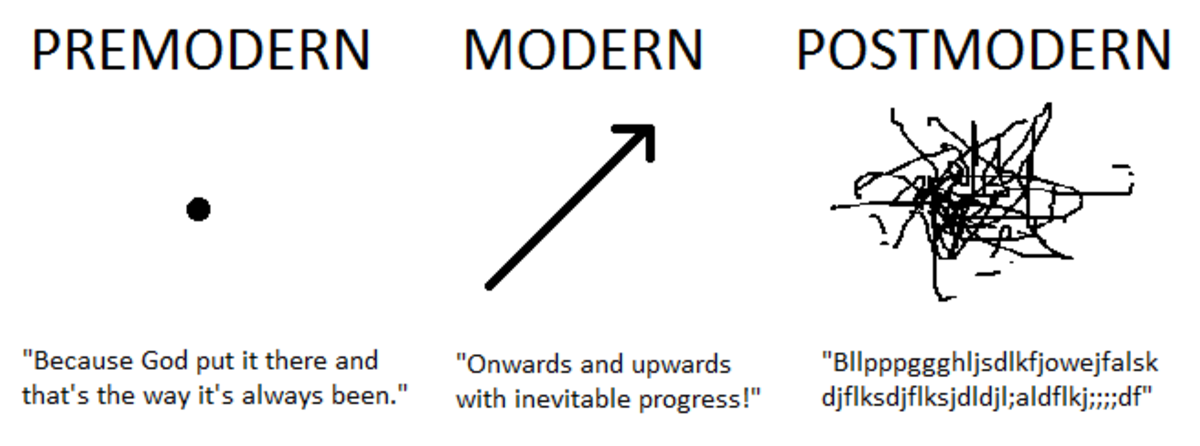
Are We Postmodernism Yet?
Before we dive into the world of Brand Twitter, Lets talk about something.
Postmodernism. We are all aware of the term, and some people even know what it is. I’ve often heard it defined as a rejection of the commonly held beliefs of the time. According to the Stanford Encyclopedia of Philosophy the term’s etymology can be traced back to 1979 as a rejection of the cultural norms of the 50s and 60s.
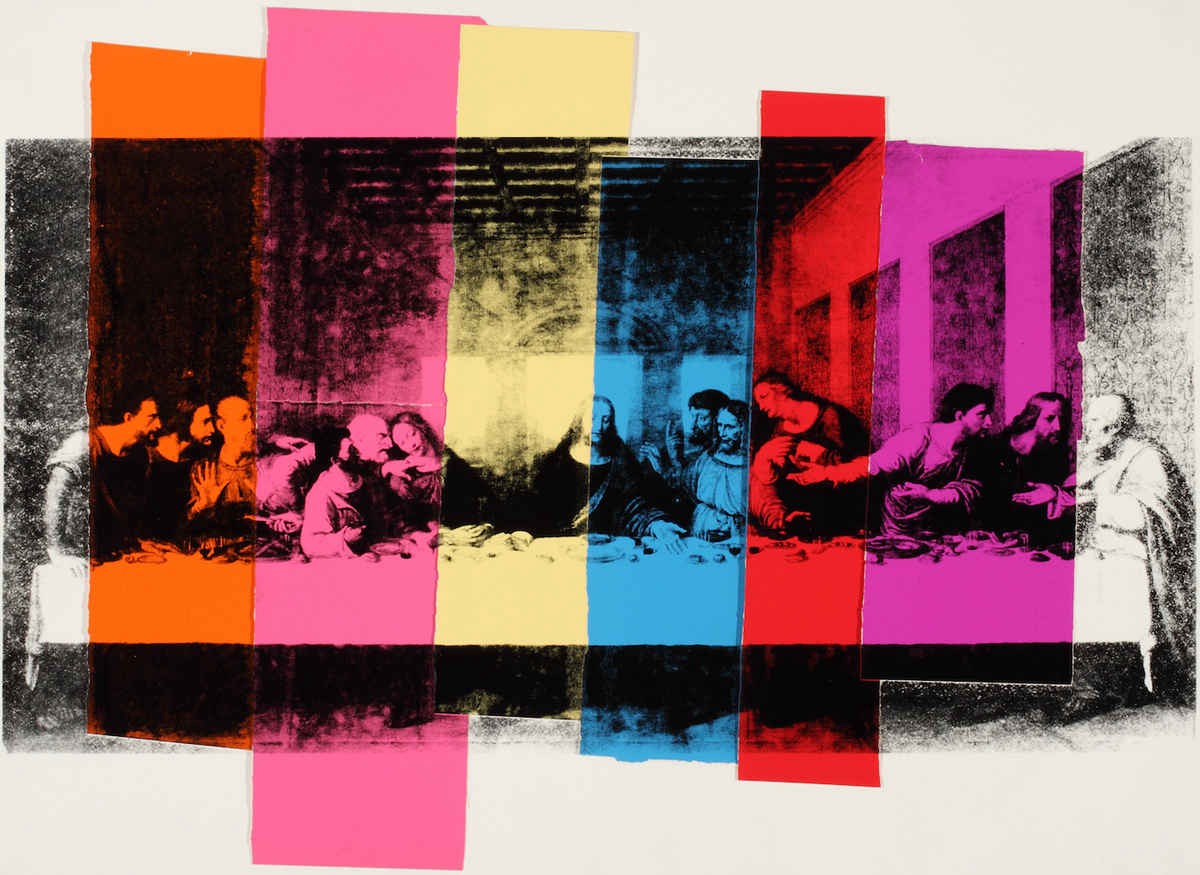
But how do you know when you are in a postmodern world? If we exist in an ever-changing culture, are we in a perpetual state of post, post postmodernism? Postmodern movements are often skeptical of authority, supporting the idea that culture is not fixed in regards to moral code, norms, and the arts, and reinvigorate the retro.
We may see ourselves in these sentiments, however, there is a simpler way. One need only look at the advertisements.
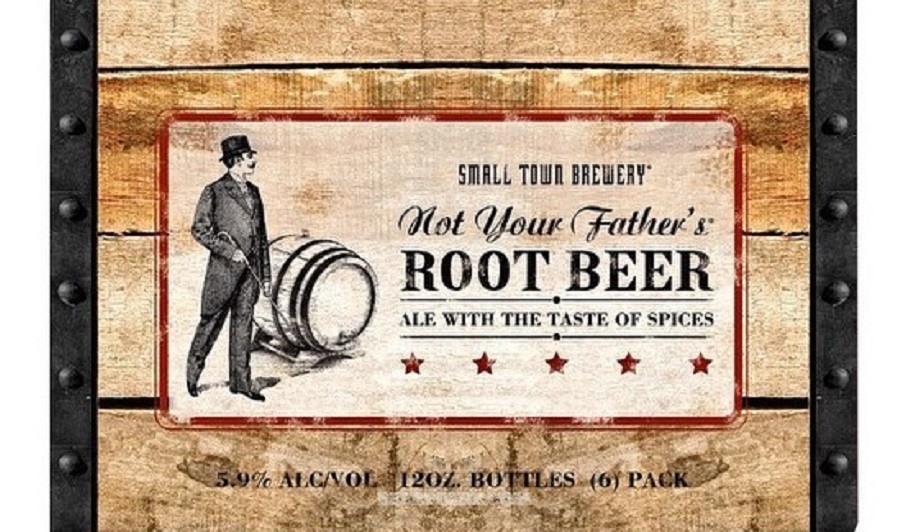
Not your Father’s Root Beer
In order to survive, advertisers have to be in lockstep with the current zeitgeist. In turn, the advertisements and marketing we see every day are a mirror held up to society. Though we may not always want to admit it, marketers show us our wants, our needs, our desires; and they will utilize whatever mediums or messages it takes to get to us.

Today, that medium is social media. As touched on in Chapter 3 of the book, Social Media Communication, The social media shift is impacting all aspects of the industry—from the newsroom to advertising and management. Marketing and PR teams will succeed based on their ability to acquire social capital.
“Gaining social capital really means becoming a strong, consistent member of the online community”
So, like chameleons, companies will have to endear themselves to consumers; in order to do this, they must have an understanding of the current societal trends and norms.
Subvert Me
I believe, in many ways, one could categorize GenZ and Millennial internet culture are a postmodern movement. It is certainly a subversion of the expectations set by the Baby Boomer generation. Memes like “okay, boomer” are a testament to this fact. It seems that older generations are being excluded from acquiring this social capital.

Chapter 4 of Social Media Communication lists the benefits of increased social capital:
Trust, shared norms and values, shared resources and knowledge, reciprocity, resilience within relationships, coordination and cooperation for the achievement of common goals.
In order to reach their markets, older generations that want Gen Z money have to successfully infiltrate social media communities. However, Gen Z can usually sniff it out. We don’t want “Pokemon Go to the polls,” But for whatever reason, we want the untimely death of Mr Peanut.

The Absurdist Paradise That is Brand Twitter
I hear it all the time from my friends: “the internet ruined my humor.”
One example of postmodernism from younger generations is absurdist humor and meme culture. The nature of comedy is already founded on subverting expectations. Some Gen Z memes subvert the idea of a joke all together.
A variety of media reflects this phenomenon, but let’s look at brand twitter.

You can’t tell me a brand would have broadcasted these messages in any other place, and any other time.
They aren’t that edgy, they still have to sell something, but the have a certain darkness, irreverence, or absurdity that we are no accustomed to seem from brands.
A quote from the Vulture article, Brand Twitter Grows Up, highlights how Brand Twitter, as a whole, found itself in 2018:
“2018 was the year it went mainstream. Users talked about brands like they were celebrities, admired their cleverness, embraced their absurdity, and even wanted to get roasted for fun. The impact of communities like r/FellowKids dwindled because brands were in on the joke”
Thats what we all want: to be in on the joke.
Leveraging social capital require two way communication, so brands have to meet culture where it is.

What Does it Mean?
Brand Twitter is not the hero we want, bu the hero that we deserve. We are inundated with advertisements constantly. It’s nice to know theres a human being on the other end of that. As Trey Smith of Vice said:
In order to stay relevant, brands have to adapt to a changing landscape. In the case, I’d argue, a postmodern landscape.
It is a landscape the is reliant on principles of subversion, anti-establishment, and exclusion. It manifests in culture and online through a generational divide.
Postmodernism is often a critique consumer culture!
This environment is not good for traditional, family friendly advertising.

So, with the ever-powerful motivation of shilling products, brands have adopted the postmodern.
- Does it work? Does it further alienate?
- Is Brand twitter refreshing or cringe-worthy?
- What kind of trouble can brands run into with their irreverence?
- How do brands fit into our culture? How can they acquire social capital in a postmodern landscape?
 christina.net